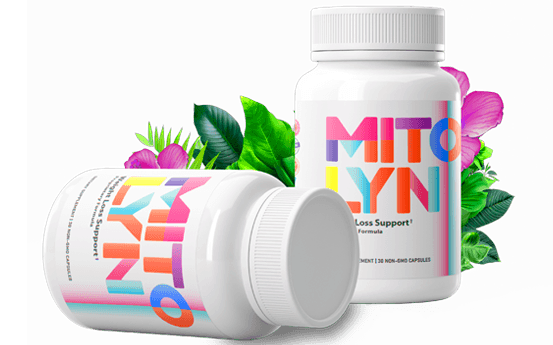
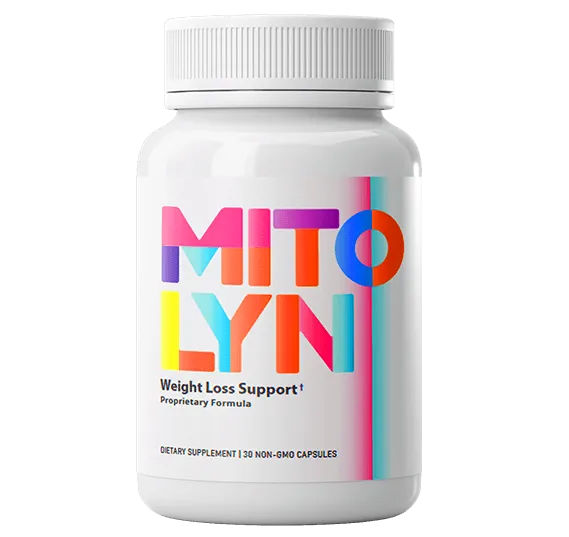
I'm a skeptic by nature. When a supplement claims to do six different things, my default assumption is that it does none of them very well. So when I first heard about Mitolyn, I didn't reach for my credit card. I reached for PubMed.
What I found over the next two weeks of research surprised me enough that I felt compelled to write it down. Not as a promotion — as an honest accounting of what the peer-reviewed science actually says about these six ingredients and whether the claims made for them hold up.
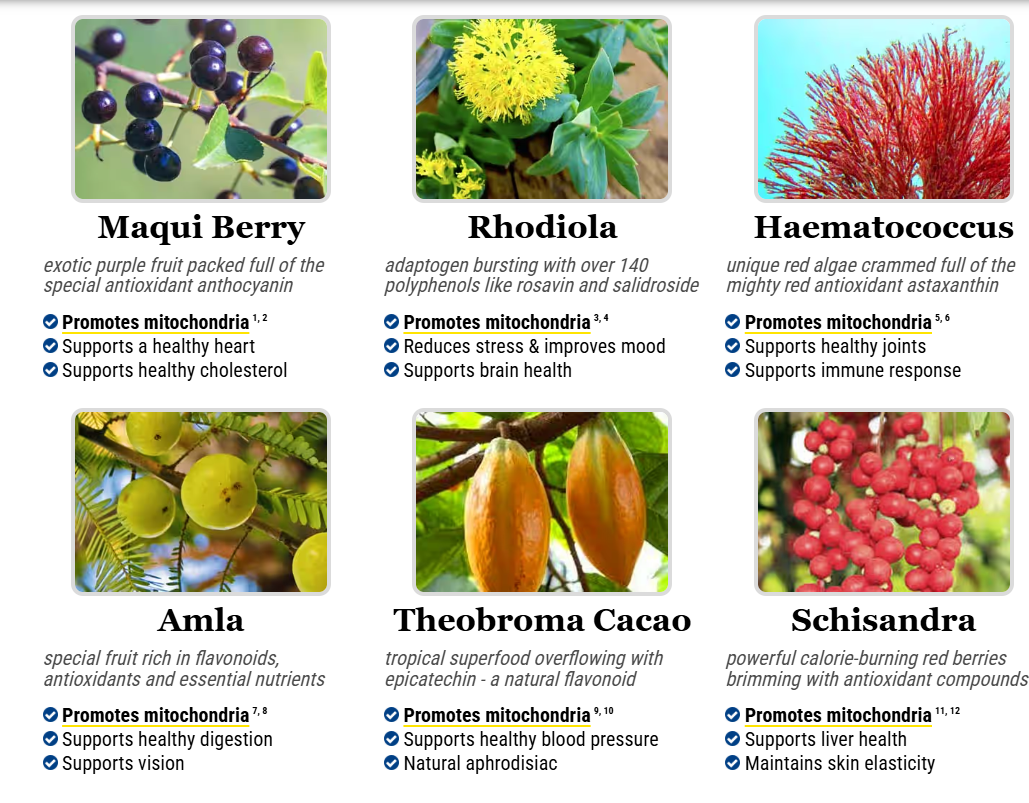
Maqui Berry (Aristotelia chilensis) has been studied extensively since researchers noticed that the indigenous Mapuche people of Patagonia — who consume it regularly — showed remarkably low rates of metabolic disease. Analysis revealed extraordinarily high concentrations of delphinidins, a subclass of anthocyanins that demonstrate specific protective effects on mitochondrial membrane integrity.
A 2021 study in the Journal of Agricultural and Food Chemistry found that Maqui Berry extracts significantly improved mitochondrial membrane potential and ATP production in cellular models, while simultaneously reducing oxidative stress markers by over 40%. A separate clinical study linked regular anthocyanin consumption (equivalent to Maqui Berry intake) to measurable improvements in insulin sensitivity and a reduction in triglycerides — both direct metabolic benefits.
Rhodiola Rosea: Cutting Cortisol to Unlock Metabolism
Of all the ingredients in Mitolyn, Rhodiola may have the most well-documented evidence base. Over 180 human clinical studies have examined this Scandinavian adaptogen, making it one of the most researched botanicals in the world. The consensus is consistent: Rhodiola reduces cortisol, improves stress resilience, and enhances energy metabolism.
The cortisol connection is particularly important for metabolism. Chronically elevated cortisol — the defining biochemical signature of modern stressed life — directly inhibits the cellular signaling pathways that initiate fat burning. It also promotes visceral fat storage (the dangerous belly fat surrounding your organs) and suppresses the mitochondrial biogenesis signals triggered by exercise. A 2019 double-blind study found that 400mg daily of Rhodiola extract reduced cortisol levels by 24% over 28 days while improving energy and reducing mental fatigue — without a single side effect reported.
Haematococcus Pluvialis: The Astaxanthin Advantage
Astaxanthin is classified by many researchers as the single most potent naturally occurring antioxidant ever measured. To put its power in perspective: it is 6,000 times more potent than Vitamin C, 800 times more potent than CoQ10, and 550 times more potent than Vitamin E in specific antioxidant assays. But what makes it uniquely relevant for mitochondrial health is its lipophilic (fat-soluble) nature — it can cross the mitochondrial membrane and provide antioxidant protection from the inside, something water-soluble antioxidants like Vitamin C physically cannot do.
Research published in Marine Drugs found that astaxanthin supplementation significantly improved mitochondrial respiratory function, enhanced fat oxidation during moderate exercise, and reduced markers of muscle damage. A separate study found clinically significant improvements in exercise endurance and recovery time — changes attributed directly to improved mitochondrial efficiency rather than any stimulant effect.
Theobroma Cacao: Chocolate's Hidden Metabolic Secret
The inclusion of raw cacao in Mitolyn is, scientifically speaking, one of the most interesting decisions in the formula. Cacao's primary bioactive — epicatechin — has been shown in research published in The Journal of Physiology to activate PGC-1α, the "master regulator" of mitochondrial biogenesis. In plain language: epicatechin switches on the genes responsible for creating new mitochondria.
The same study found that epicatechin supplementation in skeletal muscle cells produced structural and functional changes to mitochondria that were comparable in magnitude to the effects of regular moderate aerobic exercise. This doesn't mean Mitolyn replaces exercise — but it does mean that it can help create the cellular conditions that make exercise more effective, and that even support metabolic improvement in people whose health or schedules limit physical activity.
Amla and Schisandra: The Support System
Amla (Indian Gooseberry) contributes what may be the broadest micronutrient profile of any single food, including one of the highest natural concentrations of Vitamin C ever recorded, alongside ellagic acid, gallic acid, and a unique class of tannins that retain their antioxidant activity through digestion. Research in Phytotherapy Research found that Amla extract improved mitochondrial enzyme activity in liver cells and enhanced nutrient absorption efficiency — ensuring that the body extracts maximum metabolic value from every meal.
Schisandra Chinensis completes the formula by addressing an often-ignored metabolic bottleneck: the liver. Your liver processes every fat molecule, filters every toxin, and regulates every metabolic hormone in your body. When it's overburdened or inflamed — which chronic oxidative stress causes — fat metabolism stalls regardless of what else you're doing. Schisandra's schisandrins and gomisin compounds have demonstrated significant hepatoprotective effects in multiple studies, improving liver mitochondrial respiration and reducing the inflammation that makes fat metabolism inefficient.
The Verdict
I went into this research skeptical. I came out of it convinced that the combination of these six ingredients represents a genuinely rational, science-supported approach to the metabolic problem millions of Americans over 35 are experiencing. The evidence for each individual ingredient is real and peer-reviewed. The synergy between them — protecting existing mitochondria while stimulating new ones, cutting cortisol while improving nutrient absorption, supporting the liver while shielding the cellular membrane — creates a comprehensive system that no single ingredient could replicate alone. Whether it works as dramatically for you as it has for thousands of others, only your own 90-day experiment can answer.